Frequently Asked Questions

MACS

  • Q
  • Q. What are the risks of camouflage orthodontics?

  • A. It may be possible if the skeletal problem is not severe, but in severe cases, problems with the temporomandibular joint, occlusion, relapse and aesthetics can occur.

    If the skeletal problem is not severe, camouflage treatment can also align the occlusion without major problems in facial shape. However, if the difference in bone position or angle, or the asymmetry, is severe and only camouflage treatment is performed, problems can occur. In such cases, it is recommended to decide after thorough consultation with an oral and maxillofacial surgeon.

  • Q
  • Q. Why does skeletal Class III require surgery?

  • A. When normal occlusion cannot be achieved by moving the teeth alone, the bone itself must be moved.

    Skeletal Class III malocclusion is a malocclusion of the skeleton itself, in which the lower jaw protrudes forward relative to the upper jaw. If normal occlusion cannot be achieved no matter how much the teeth are moved, orthognathic surgery, commonly known as double-jaw surgery, is necessary.

  • Q
  • Q. How is malocclusion treated?

  • A. The treatment method depends on the cause. Dental malocclusion is treated with orthodontic treatment, and severe skeletal malocclusion is treated with orthognathic surgery combined with orthodontic treatment.

    • Dental malocclusion: generally treatable with orthodontic treatment, and extraction orthodontics can also help if necessary.
    • Skeletal malocclusion: camouflage treatment is possible to a certain extent, but if the condition is severe, combining orthognathic surgery with orthodontic treatment can achieve a more stable and normal occlusion.
  • Q
  • Q. What if malocclusion is left untreated?

  • A. Various problems can accumulate, such as strain on the temporomandibular joint, worsening facial asymmetry, and damage to the teeth and gums.

    • Jaw and face: strain on the temporomandibular joint may develop, and facial asymmetry may worsen.
    • Teeth and gums: the teeth and gum tissue may deteriorate, and the occlusion may gradually worsen.
    • Function: problems with digestion, pronunciation and breathing may also occur.

    Even if things seem fine right now, these problems can gradually accumulate over time.

  • Q
  • Q. Can malocclusion affect digestion?

  • A. Yes, it can. This is because chewing food into small pieces in the mouth (mechanical digestion) is more important than you might think.

    Some people who had severe malocclusion frequently experience gastrointestinal disorders or indigestion. When normal occlusion is achieved, chewing efficiency increases, which can also help with these issues.

  • Q
  • Q. What if my front teeth don't touch?

  • A. If the front teeth do not contact, chewing force (occlusal force) is concentrated only on the molars, which can cause the molars to deteriorate quickly.

    As a result, at some point the molars may become more damaged than other people's, requiring root canal treatment, breaking, or needing implants. In some cases, the person is unaware of this and only learns the cause later.

  • Q
  • Q. What if I have multiple signs of malocclusion?

  • A. If three or more of the 7 self-check items apply, it is recommended that you receive an accurate diagnosis from an orthodontic clinic or an oral and maxillofacial surgery clinic.

    • Mouth closed: whether the mouth opens on its own, or whether it is hard to close the mouth or walnut-like wrinkles form on the chin when the mouth is closed
    • Front teeth contact: whether the lower teeth are in front of the upper teeth, or whether the midlines do not match
    • Molar contact: whether one side contacts first, or whether the contact differs between left and right
    • Facial asymmetry: whether the facial contour looks asymmetric in the mirror, or whether the heights of the left and right jawlines or the corners of the mouth differ
    • Chewing function: whether you chew only on one side, or whether one side does not chew well
    • Pronunciation: whether pronunciation is uncomfortable
    • Profile: whether the jaw or mouth protrudes or is retruded excessively when viewed from the side

    A self-check alone cannot confirm malocclusion. It is important to take a CT scan, take impressions and examine dental models to analyze and diagnose accurately. In many cases, a skeletal problem is found on CT even when there is no visible sign of malocclusion.

  • Q
  • Q. How can I self-check for malocclusion?

  • A. Checking the following 7 items can give you a rough idea of whether you have malocclusion.

    • Mouth closed: whether the mouth opens on its own, or whether it is hard to close the mouth or walnut-like wrinkles form on the chin when the mouth is closed
    • Front teeth contact: whether the lower teeth are in front of the upper teeth, or whether the midlines do not match
    • Molar contact: whether one side contacts first, or whether the contact differs between left and right
    • Facial asymmetry: whether the facial contour looks asymmetric in the mirror, or whether the heights of the left and right jawlines or the corners of the mouth differ
    • Chewing function: whether you chew only on one side, or whether one side does not chew well
    • Pronunciation: whether pronunciation is uncomfortable
    • Profile: whether the jaw or mouth protrudes or is retruded excessively when viewed from the side
  • Q
  • Q. What are Class I, II and III malocclusions?

  • A. Class I, II and III malocclusion (Angle classification) are classified not by severity but by the anteroposterior relationship of the first molars on both sides.

    • Class I: the front part of the upper molar lies at about the middle of the lower molar (usually dental malocclusion)
    • Class II: the upper jaw protrudes forward relative to the lower jaw (commonly retrognathia)
    • Class III: the lower jaw protrudes forward relative to the upper jaw (commonly mandibular prognathism)
  • Q
  • Q. Dental vs. skeletal malocclusion: What's the difference?

  • A. In dental malocclusion, the teeth do not fit together because of a problem with the teeth; in skeletal malocclusion, they do not fit together because of a problem with the bone itself.

    Dental malocclusion refers to cases where the teeth are crooked or do not fit together properly, and it may require orthodontic treatment. Skeletal malocclusion may require surgery such as double-jaw surgery, and skeletal malocclusion may be present even if the teeth appear to fit together well on the outside.

MACS YouTube

Dr. Park’s Facial Bone Research Institute: FACE LAB
  • FACE LAB
  • 양악수술로 얼굴 얼마나 작아질 수 있을까? ..
  • Watch Video FACE LAB
  • FACE LAB
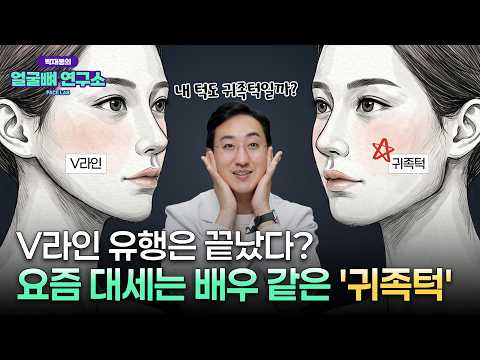
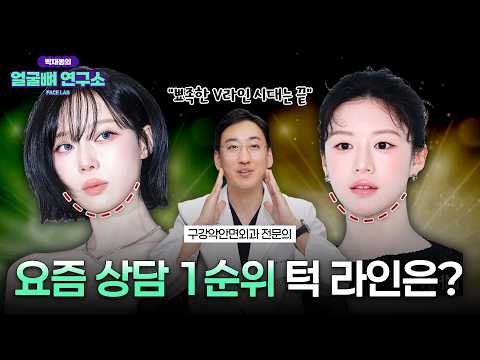
  • 요즘 잘나가는 연예인들이 다 이 턱이라고?? (내 ..
  • Watch Video FACE LAB
  • FACE LAB
  • 현시점 Gen Z 윤곽 추구미 총정리|요즘 20살이 원하는 얼굴형은?..
  • Watch Video FACE LAB
  • FACE LAB
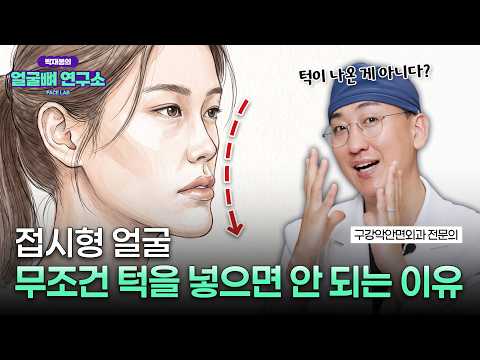
  • 중안부 꺼진 접시형 얼굴, 양악하면 될까요?|무조건 턱을 넣으면 안 되는 이유
  • Watch Video FACE LAB
  • FACE LAB
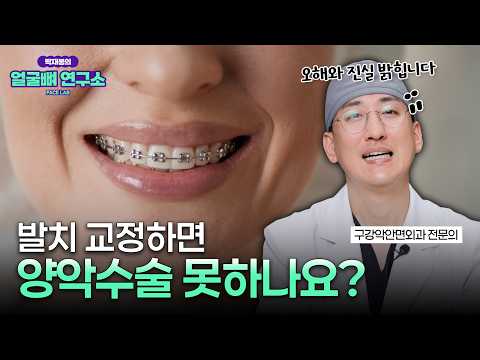
  • 발치교정 하면 양악수술 못하나요? 구강악아..
  • Watch Video FACE LAB
  • FACE LAB
  • 블랙핑크 지수·제니·로제·리사, 구강악안면외과 전..
  • Watch Video FACE LAB
  • FACE LAB
  • 양악수술의 역사와 발전|1세대부터 4세대까지 구강악안면외과 전문의의 총정리
  • Watch Video FACE LAB
  • FACE LAB
  • 치아 교정하면 양악수술 안 해도 될까? (부모님이 꼭 알아야 할 5가지)
  • Watch Video FACE LAB
QUICK
Consultation
  • Privacy Policy Agreement