Dr. Park’s Facial Bone Research Institute: FACE LAB
MACS
A. Cosmetic double-jaw surgery is not riskier simply because it is cosmetic. However, if the desired change is excessively large, functional problems may occur.
Cosmetic double-jaw surgery and conventional double-jaw surgery share the same surgical methods and principles. However, when the desired cosmetic change is too excessive, functional problems may occur, so it is important to consult thoroughly with a specialist and to accept the specialist's opinion when they judge something to be risky.
A. They are separate concepts, but in practice they are often performed together.
Double-jaw surgery (orthognathic surgery) is a surgery that cuts the upper and lower jaws to change their position and angle, while facial contouring surgery includes procedures such as mandibular angle and chin resection or cheekbone repositioning. To resolve functional problems while changing to the desired face shape, double-jaw surgery and facial contouring surgery are often performed together.
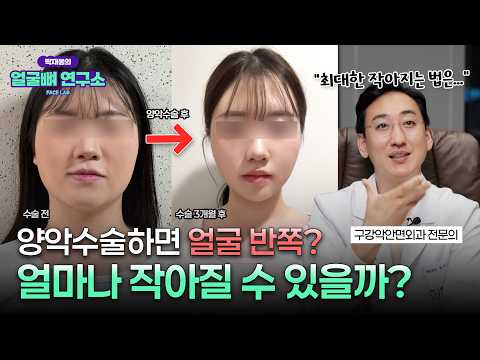
A. Since the shape of the skull cannot be changed, the face size is reduced by narrowing the width of the cheekbones and jaw or by treating the soft tissue.
A. There are usually three ways to shorten facial length.
Considering both the tooth angles and the current facial angles, we comprehensively determine which methods are possible to achieve the desired face shape and make a plan.
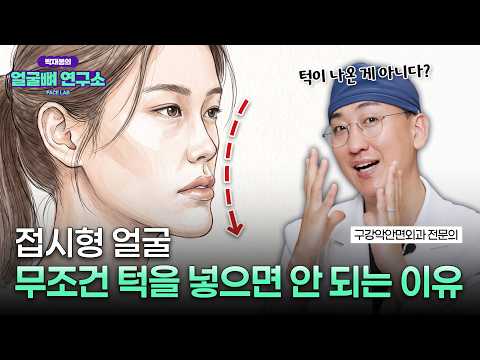
A. The most common case is a dish face, in which the midface is sunken and the jaw protrudes.
A dish face is a face shape in which the center of the face looks concave when viewed from the side. The upper and lower jaws are rotated clockwise so that the midface comes forward and the jaw moves back. It is also commonly performed for the following concerns.
Retrognathia, a wide face, a large face, unbalanced facial proportions
A. More people want to change their face shape, and advances in surgical techniques and diagnostic equipment have reduced the treatment period and burden.
The proportion of double-jaw surgery performed for cosmetic purposes alone has increased significantly in recent years. Interest in changing face shape has grown, and as the treatment period and burden have decreased compared with the past, more people are seeking it.
A. Yes, they are.
It is important for conventional double-jaw surgery to also address aesthetic improvement, and for cosmetic double-jaw surgery to also address functional improvement.
Because a beautiful face helps in many ways, including self-esteem, the surgical plan for conventional double-jaw surgery is made in almost the same way as for cosmetic double-jaw surgery.
A. It depends on the case. If the dental occlusion is correct, surgery is often performed without orthodontic treatment.
In conventional double-jaw surgery, the occlusion is misaligned in most cases, so orthodontic treatment is often performed before and after surgery. In contrast, many patients undergoing cosmetic double-jaw surgery have already completed orthodontic treatment, so if the occlusion is correct, orthodontic treatment is often not performed.
A. Yes, the basic surgical method is the same. The difference lies in the consultation, diagnosis and surgical plan.
The way the surgery is performed and the fundamental principles for preventing side effects are no different. However, in cosmetic double-jaw surgery, the process of accurately conveying the desired face to the medical team and precisely confirming in the surgical plan how much the bone will be reduced, rotated and trimmed is more important.
A. The surgical method is the same; they are distinguished by the purpose for which surgery was decided.

Dr. Park’s Facial Bone Research Institute: FACE LAB